
A few years ago, on a Friday afternoon, I was wrapping up an annual review with one of my team members. As per usual practice, I asked my favorite question: “Can you share some feedback about me?” I anticipated the usual responses—everything is fine, you are helpful, nothing specific, etc. So, I was taken aback when the reply was, “I think you have a bias towards another team member. It seems like she is your favorite.” For a moment, I was stunned, but I maintained my composure and asked, “What makes you think that? Can you give me an example?” After hearing the example, my immediate reaction was, “It might have come across that way, but I never intended to put you down or favor her. Now that I see how it appeared, I’ll be more mindful in the future. Thank you for bringing this to my attention; I really appreciate it.” While the matter seemed settled, it forced me to reflect on why I was perceived as biased and how I hadn’t realized it. This incident for me highlighted the concept of unconscious bias—an often-overlooked but very important behavioral issue in the corporate world.
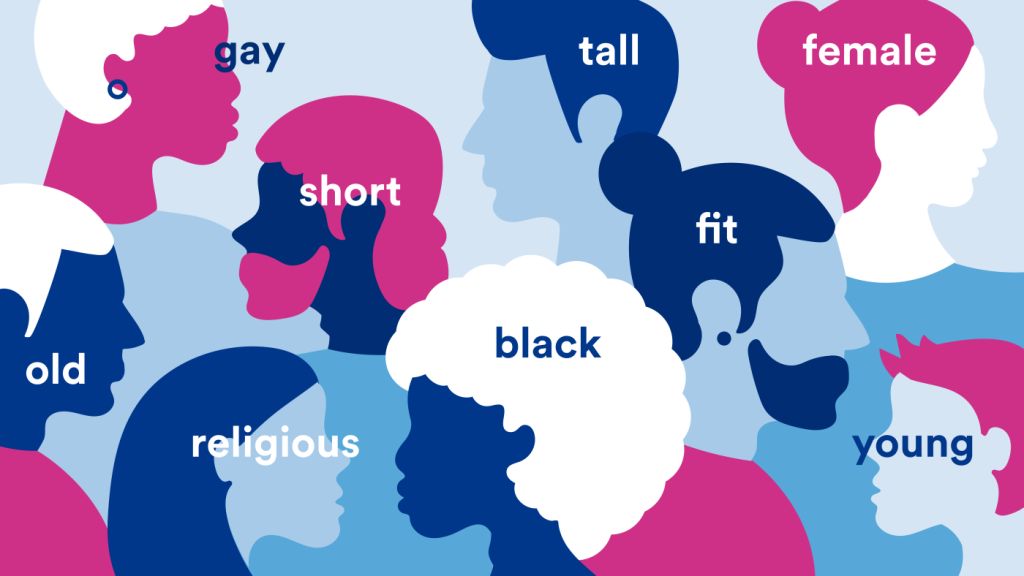
So, what is unconscious bias? It refers to the prejudices or stereotypes that individuals hold about certain individuals or groups of people without being aware of them. They can manifest towards various groups based on race, gender identity, sexual orientation, physical abilities, or personal traits. Everyone has these biases but addressing them is challenging since they occur involuntarily without an individual’s awareness or control, hence the term “unconscious.”
Psychologists Mahzarin Banaji and Anthony Greenwald introduced the concept of implicit bias in a 1995 research paper. They argued that our unconscious associations and judgments shape our social behaviors. Despite our desire to see ourselves as objective thinkers, we all have implicit biases—it’s simply how our brains are wired.
If our brains are naturally predisposed to this behavior, why is unconscious bias considered negative? The impact it has on people in the workplace is the primary concern.
Here are some common types of bias found at work:
- Gender Bias: This is one of the most prevalent biases, where a particular gender is favored based on past performance in specific roles. For example, men are often preferred for jobs that require travel due to assumptions that women may have childcare responsibilities that hinder their ability to fulfill job requirements in such positions.
- Similarity / Affinity Bias: We tend to gravitate toward people with similar interests. While this behavior is natural, it can limit our connections with diverse team members and affect the company’s diversity and inclusion efforts.
- Age Bias: This bias involves assumptions about age, such as the belief that younger individuals cannot effectively perform managerial roles. Similarly, some companies hesitate to hire older candidates due to stereotypes about their adaptability and flexibility.
- Beauty Bias: Many may not recognize this bias, which suggests that more attractive individuals are perceived as more competent. This is particularly evident during interviews, where better-looking candidates may be chosen even if they are not the best candidates for the job.
- Conformity Bias: This is a familiar concept from school, where one person may dominate a group discussion, leading others to conform to their ideas. This also often occurs in team meetings where one individual or a majority can dominate and influence the opinions of the entire team.
- Racial bias – This bias does not need much explanation and is very common. For example, many organizations witness a manager of a particular race promoting a person of his/her race even though there may be a more competent person of another race in the team.
- Attribution bias – When an individual makes assumptions about another person and later looks for evidence to make it true, it’s called attribution bias. For example – if a person arrives late for a particular meeting, we tend to believe that they are unprofessional and don’t consider it as a one-off incident.
The list of biases is long, with many occurring frequently in the workplace. As these examples show, it may start with hiring decisions being influenced by biases regarding age, appearance, race, and other factors, leading to the selection of unsuitable candidates. Similar biases of managers within the organization can also lead to poor decision-making in promotions and raises allowing fewer deserving individuals to advance. Additionally, this can lower employee morale, particularly when individuals believe they are being overlooked for opportunities, despite their abilities, in favor of someone who has the management’s support. Thus, recognizing these biases is vital for fostering a more inclusive environment